

Explore the captivating world of ZhongKui, a traditional Chinese game, its unique features, rules, and its modern-day resurgence. Discover how meshing ancient mythology with contemporary trends creates an engaging experience.
ZhongKui: Traditional Chinese Game Revived in Modern Times
Introduction to ZhongKui
ZhongKui is a captivating game that takes its roots from ancient Chinese folklore, revitalizing the story of Zhong Kui, the legendary ghost catcher. The game has seen a resurgence in popularity, largely influenced by the rising interest in traditional cultures merging with modern gameplay mechanics. Its unique blend of mythology, strategy, and interactive elements makes ZhongKui a standout experience in the gaming world.
The Origins of ZhongKui
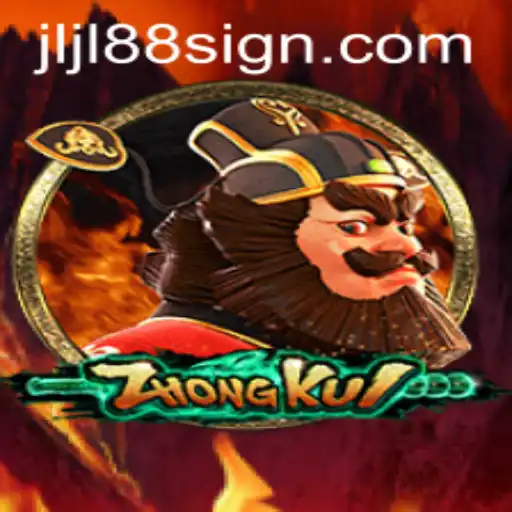
The game is named after Zhong Kui, a central figure in Chinese mythology known for his ability to subdue evil spirits. This historical figure is a staple in Chinese culture, often depicted as a ghost or demon hunter. The game draws heavily from these mythological elements, creating a dynamic narrative that engages players in the role of Zhong Kui as they navigate through challenges and battles against evil entities.
Gameplay and Mechanics
The objective of the game is to emulate Zhong Kui’s journey by successfully capturing spirits and demons through various strategic endeavors. As players advance through levels, they encounter increasingly difficult challenges that require quick thinking and tactical planning. The game incorporates a blend of action, puzzle-solving, and role-playing elements, providing a rich and immersive gaming experience.
Rules of ZhongKui
ZhongKui is played using a board that resembles a mystical landscape, populated with tiles representing different elements such as forests, temples, and lairs. Each player takes on the role of Zhong Kui, with the goal of capturing the most spirits and cleansing the land from evil.
Starting the Game: Players begin by choosing a character token and placing it at the starting point on the board. Each player is dealt a hand of cards that feature spirits, abilities, or traps. The action cards serve as tools or obstacles in the players' quest to capture demons.
Turn Structure: Players take turns drawing cards and moving their token across the board. Movement is determined by the roll of a dice, which dictates how many spaces a player can advance. Upon landing on a space, players must perform actions based on the space’s designation—whether it involves battling a demon, encountering an ally, or exploring a temple.
Capturing Spirits: Players can capture spirits through a combination of card effects and dice rolls. Successful capture provides points, while failure can result in losing resources.
Victory Conditions: The game concludes when all demon lords are defeated, or when a player collects a specific number of spirit points, signifying their supremacy in the spirit realm.
Modern Resurgence and Cultural Significance
In recent years, ZhongKui has seen a significant reappearance, particularly among younger generations eager to connect with their cultural heritage. By successfully integrating traditional narratives with contemporary gameplay, it appeals to both history enthusiasts and gamers alike.
Efforts have been made to expand the game’s reach through digital adaptations, bringing ZhongKui onto various handheld and online platforms. This expansion has enabled global audiences to engage with the game's intricate tales and enjoy its complex challenges.
Additionally, ZhongKui serves as an educational tool, offering insights into Chinese customs and folklore for those unfamiliar with the culture. Schools and cultural events often incorporate games like ZhongKui to facilitate an appreciation of heritage in a fun, interactive way.
Impact of Current Events
As global interest in cross-cultural exploration gains momentum, traditional games like ZhongKui have become focal points in broader discussions about cultural preservation and digital adaptation. Recent initiatives by cultural bodies aim to preserve these narratives, promoting them through various media.
Moreover, with the rise of social media and streaming platforms, ZhongKui has found new audiences. Influencers and content creators showcase gameplay, strategies, and adaptations, contributing to its bustling community and expanding its online footprint. These platforms have become instrumental in shaping how the game is perceived worldwide.
For players and enthusiasts, ZhongKui represents more than just a pastime. It is an emblem of cultural legacy, modernization, and community. As it continues to evolve, the game ZhongKui beckons players to step into the shoes of the legendary ghost catcher, weaving ancient stories into their modern lives.